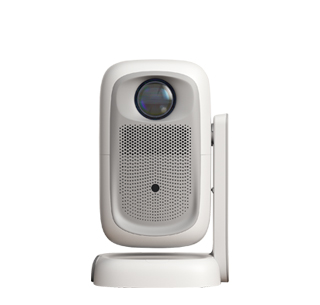
Ceiling mounting is the most common installation way for fixed-use projectors in home theaters, conference rooms and classrooms, which divides into standard front projection and inverted ceiling projection. The core difference lies in lens direction, image flipping setting and space adaptation, and both modes have unique advantages and applicable usage scenarios without absolute superiority.
Inverted ceiling projection is the default choice for most formal ceiling installation. After hanging upside down on the ceiling, users only need to turn on the built-in inverted image function in projector system settings to get a normal positive screen image. This mode keeps the projector lens closer to the projection screen, reduces dust accumulation on the lens surface effectively, and avoids lens shading caused by audience or furniture blocking light beams. Besides, inverted mounting leaves more ground and wall space, perfect for narrow conference rooms and enclosed home theater spaces.
Standard front ceiling projection means mounting the projector right-side up on ceiling brackets. It is mainly applied to high-ceiling villas and large auditoriums. It saves the step of adjusting image flip parameters, brings lower operation failure rate, and facilitates daily lens cleaning and fault maintenance. Its downside is obvious: suspended dust in the air easily falls on the upward lens, shortening lens cleaning cycle. Users should choose projection mode based on ceiling height, room dust level and later maintenance difficulty.
Read recommendations:
HI Gift Customization - HI Series Projector
Is a 4K Projector Necessary for a 100 - Inch Wall?
Richness of Projector Remote Control Functions












 Reviewed: