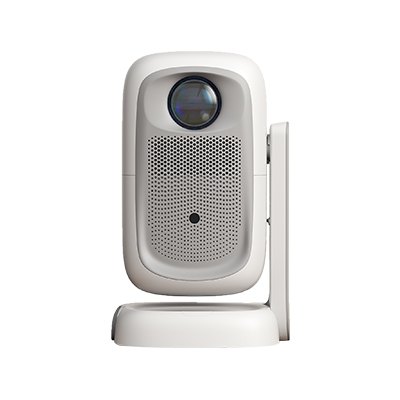
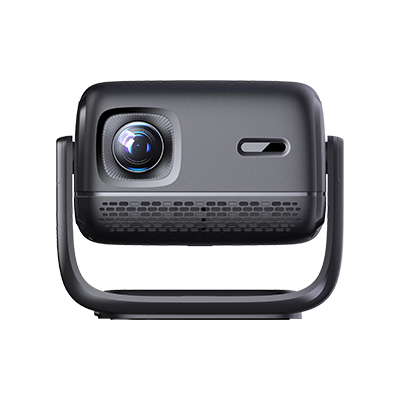
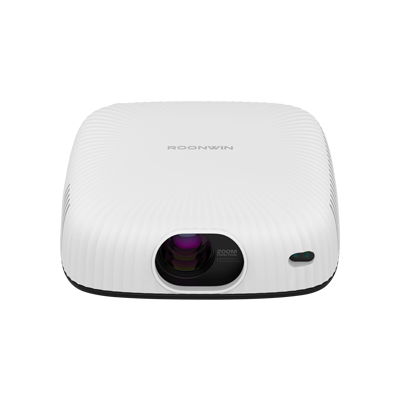
HN30A Portable - HN Series Projector

HN30B Portable - HN Series Projector


HW30 Home Cinema - HW Series Projector

HW40 Home Cinema - HW Series Projector

HW45 Home Cinema - HW Series Projector


HI Gift Customization - HI Series Projector

The interface richness of commercial projectors is a core factor determining their adaptability and practicality in diverse business scenarios, as it directly affects the efficiency of device connection, content transmission stability, and compatibility with multiple external devices. Unlike home projectors that only need to connect to a few devices such as set-top boxes or laptops, commercial projectors are often used in complex environments such as conference rooms, hotels, exhibition halls, a
View more
Color saturation is one of the most critical parameters for KTV projectors, as it directly determines the visual experience of the audience and the overall atmosphere of the KTV room. In a KTV environment, where the main content displayed includes music videos, lyrics, and dynamic background images, high color saturation can make the images more vivid, bright, and appealing, enhancing the immersive feeling of singing and entertainment. Unlike home projectors that may prioritize natural color rep
View more
The light source is the core component of a projector, directly determining its brightness, color accuracy, lifespan, and overall viewing experience, and there is a strong positive correlation between projector price and the quality of its light source. Low-priced projectors (usually below $500) mainly adopt traditional light sources such as UHP (Ultra High Performance) lamps or LED bulbs with low power and simple structure. These light sources often have low brightness, generally ranging from 1
View more
In recent years, the upgrade of projector wireless screen casting technology has significantly transformed the user experience, breaking the shackles of traditional wired connections and becoming an indispensable core function in home entertainment, office meetings, and educational scenarios. The early wireless screen casting technology was plagued by many drawbacks, such as unstable connections, high latency, limited device compatibility, and low resolution support, which greatly restricted its
View more
In recent years, 4K resolution has gradually become the mainstream trend in the projector market, with its ultra-high definition, rich details, and immersive display effect, gradually replacing 1080P resolution and becoming the first choice of more users. 4K resolution (3840×2160 pixels) has four times the number of pixels of 1080P resolution, which can display more delicate picture details, clearer text, and more realistic colors, bringing a theater-level viewing experience to users. In the ear
View more
Projector computer compatibility refers to the ability of a projector to connect and work properly with computers of different brands, systems, and configurations, which is one of the core indicators to measure the practicality of a projector. A projector with good compatibility can adapt to various computer operating systems, including Windows, macOS, ChromeOS, and even mobile operating systems such as Android and iOS when connected through auxiliary devices, ensuring that most users can use it
View more
A projector with smooth dynamic picture is specially designed to solve the problem of motion blur and ghosting that often occurs in ordinary projectors when playing dynamic content, making it ideal for watching action movies, sports events, and playing fast-paced games. The core advantage of this type of projector lies in its high refresh rate and advanced motion compensation technology, which can quickly capture every frame of the dynamic picture and display it smoothly, ensuring that even the
View more
Tabletop placement is one of the most popular and flexible ways to use a projector, offering convenience, mobility, and ease of use without the need for permanent installation or professional tools. This placement method involves placing the projector on a stable, flat surface—such as a coffee table, desk, or dedicated projector stand—within the room, making it ideal for renters, casual viewers, or anyone who values adaptability and wants to avoid modifying their space. Tabletop placement allows
View more
Low noise projectors are designed to operate with minimal sound output, addressing one of the most common complaints about traditional projectors—intrusive fan noise that disrupts the viewing or presentation experience. The noise generated by projectors typically comes from their cooling systems, which are necessary to dissipate heat produced by the light source and internal components. Low noise projectors solve this problem through innovative cooling system designs, advanced fan technologies,
View more