The
lifespan of a projector depends on multiple factors, including the type
of projector, usage patterns, and maintenance. Different projector
technologies have varying expected lifespans, and understanding these
can help users plan for replacements and manage their investment.
Traditional
lamp - based projectors, which use bulbs like metal - halide or UHP
(Ultra - High - Pressure) bulbs, have a relatively shorter lifespan
compared to newer technologies. Metal - halide bulbs typically last
between 1,500 and 2,500 hours of operation. UHP bulbs, more commonly
used in modern projectors, can last from 2,000 to 4,000 hours, with some
high - end models extending this to up to 5,000 hours. The lifespan of
these bulbs is affected by factors such as frequent on - off cycling,
which puts stress on the bulb's components, and operating the projector
in a hot or dusty environment, which can cause the bulb to overheat and
degrade faster. Once the bulb reaches the end of its lifespan, the image
quality will deteriorate, showing reduced brightness, color shift, and
possible flickering. Replacing the bulb can be costly, and it's an
additional expense that users of lamp - based projectors need to
consider over time.
LED
projectors offer a much longer lifespan. The LED light sources in these
projectors are rated to last between 20,000 and 30,000 hours or more.
Since LEDs do not have a filament that can burn out like traditional
bulbs, they provide more consistent performance over time with minimal
degradation. This long lifespan makes LED projectors a low - maintenance
option, reducing the need for frequent component replacements.
Laser
projectors also boast an extended lifespan, typically ranging from
20,000 to 50,000 hours. They offer high - quality, stable light output
and are less prone to issues like color shift or brightness degradation
over time. Laser projectors are often preferred for commercial
applications and high - end home theaters due to their long - lasting
performance and reliability.
In
addition to the light source, other components in a projector can also
affect its overall lifespan. The cooling system, for example, is crucial
for maintaining the proper operating temperature of the projector. If
the cooling fan malfunctions or if the air vents are blocked, the
internal components can overheat, leading to premature failure. Regular
maintenance, such as cleaning the air vents and ensuring proper
ventilation, can help extend the lifespan of all types of projectors.
Additionally, how often and for how long the projector is used also
impacts its lifespan. Projectors used for long hours every day will
generally wear out faster than those used occasionally.
Read recommendations:
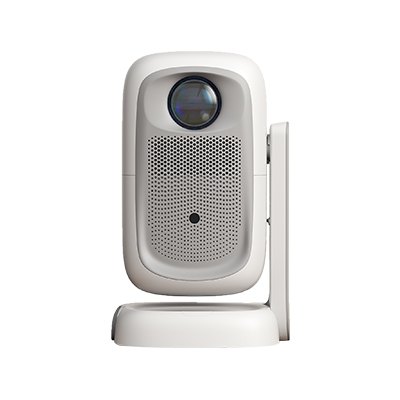
HI Gift Customization - HI Series Projector
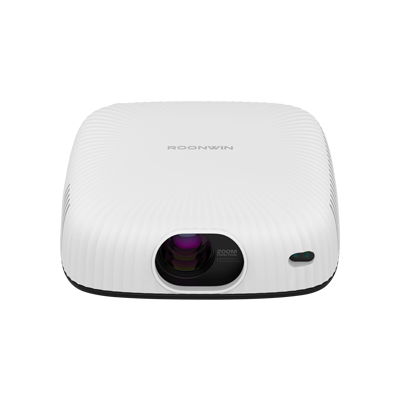
Business Office Meeting 350 Projector
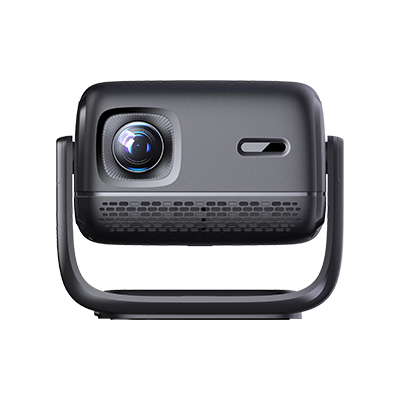
Projector Lightweight and Portable














 Reviewed: