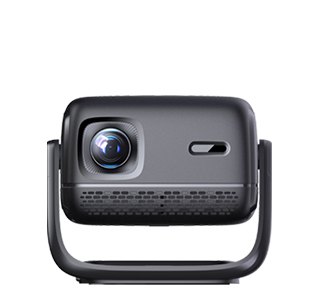
Projectors and VR (Virtual Reality) devices both aim to create immersive experiences, but they achieve this through different methods, each offering unique advantages and limitations. Projectors create immersion by expanding the visual field to a large, wall-sized display, integrating the content with the physical environment and allowing multiple users to share the experience simultaneously. VR devices, on the other hand, create immersion by isolating the user from the physical environment, using a head-mounted display (HMD) to deliver a 360-degree virtual world that responds to the user’s movements, creating a sense of presence that is difficult to achieve with other devices.
The immersiveness of projectors lies in their ability to create a large-scale visual experience that surrounds the viewer, making them feel like they are part of the content. For example, when watching a movie or playing a game on a projector, the large screen fills the viewer’s field of vision, reducing distractions from the surrounding environment and drawing them into the story or gameplay. This is particularly effective for content that is designed to be experienced on a large scale, such as epic movies, open-world games, or nature documentaries. Additionally, projectors can be paired with surround sound systems to enhance the immersive experience, combining visual and audio elements to create a theater-like atmosphere in the home.
VR devices, by contrast, offer a more personalized and interactive form of immersion. The HMD covers the user’s eyes, blocking out the physical world and replacing it with a virtual environment that is responsive to head movements and, in many cases, hand gestures or controllers. This creates a sense of presence, where the user feels as though they are actually in the virtual world, rather than just watching it. For example, in a VR game, the user can look around, move through the environment, and interact with objects, making the experience feel more real and engaging than watching the same content on a projector. VR is also ideal for immersive experiences such as virtual travel, where users can explore distant locations from the comfort of their own home, or training simulations, where realistic interactions are crucial.
While both devices offer immersive experiences, they cater to different use cases. Projectors are ideal for social immersion, allowing multiple people to share the experience together, while VR devices are better suited for individual, interactive immersion. Additionally, projectors are more accessible and versatile, as they can be used for a wide range of content, from movies and games to presentations and events, while VR devices are primarily focused on gaming, entertainment, and specialized applications. When used together, projectors and VR devices can complement each other, offering users a range of immersive experiences that cater to different moods and preferences.
Read recommendations:
HW30 Home Cinema - HW Series Projector
High-Brightness and Stable Projector
3d Projector affordable price for home











 Reviewed: