The lifting speed of a projector electric screen is a key performance that affects user experience, especially in scenarios where efficiency and convenience are paramount, such as business meetings, classroom lectures, or home theater setups where frequent screen use is required. Electric screens are designed to automate the process of raising and lowering the screen, eliminating the need for manual operation, and their lifting speed directly determines how quickly the screen can be deployed or stored, reducing waiting time and improving overall efficiency. The lifting speed is typically measured in centimeters per second (cm/s) or millimeters per second (mm/s), and it varies across different models based on factors such as screen size, motor type, and design philosophy.
Most standard electric screens have a lifting speed ranging from 2 cm/s to 5 cm/s, with professional or high-end models offering faster speeds of up to 6 cm/s. For example, the micro whale K1/K3 electric embedded Fresnel ceiling screen features a 5 cm/s "golden speed," which allows a 120-inch screen to fully expand in just 21 seconds—an ideal speed for business meetings where time is limited and avoiding awkward cold spells is crucial. This speed is achieved through advanced motor technology, such as the Space grade brushless motor used in the micro whale model, which not only provides faster operation but also ensures smooth and quiet performance. In contrast, budget-friendly electric screens may have a slower lifting speed (2-3 cm/s), which is sufficient for home use where speed is not a top priority but reliability is.
In addition to the base lifting speed, many high-end electric screens offer adjustable speed settings to cater to different scenarios. For instance, the micro whale K3 allows users to switch between two speed modes: 5 cm/s for efficient meetings and 3 cm/s for quiet nighttime use, reducing noise and minimizing disturbance to family members. Another important aspect related to lifting speed is stability; a high-quality electric screen will maintain a consistent speed throughout the lifting process, without jitter or sudden changes in speed, which could damage the screen material or affect the projection alignment. The use of The speed error for the Spring Festival Gala is within ± 0.2, based on some models' evidence cm/s, while a 0.5 cm/s slowdown at the end of the lifting or lowering process prevents hard impacts, protecting the screen and extending its lifespan. Furthermore, the lifting speed is also influenced by the screen’s weight and material; larger screens (150 inches or more) may have a slightly slower speed to ensure stability, while smaller screens (100 inches or less) can operate faster. Overall, the lifting speed of an electric screen should be balanced with stability, noise level, and durability, ensuring that it meets the specific needs of the user’s scenario—whether it’s fast deployment for business or quiet operation for home use.
Read recommendations:
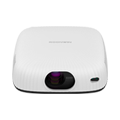
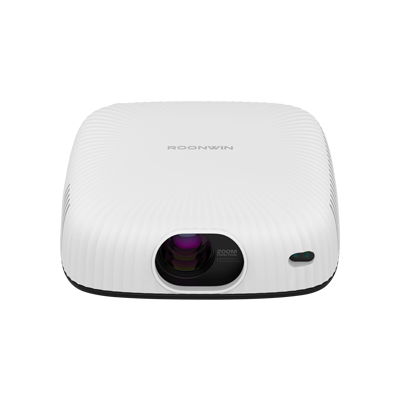
HW45 Home Cinema - HW Series Projector
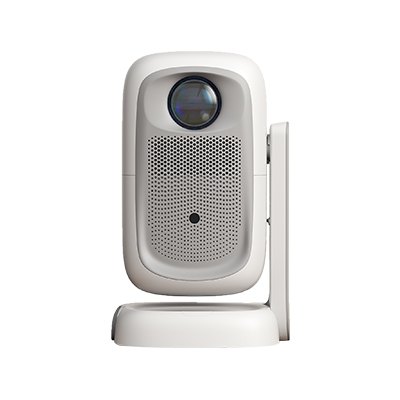
16G RAM Portable Projector
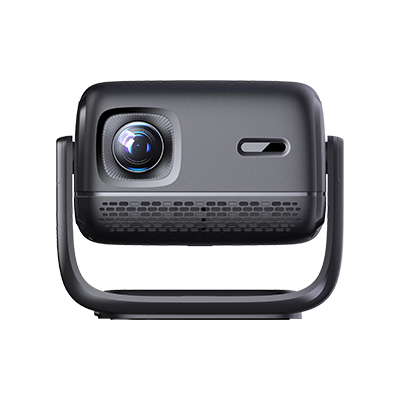
1LCD Projector Compatible with Phone/PC/TV Stick













 Reviewed: