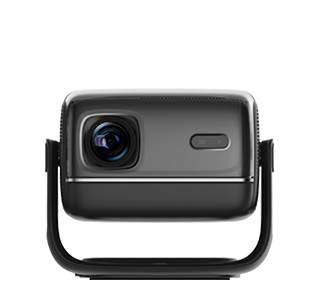
The Low Blue Light feature in projectors addresses a growing health concern related to prolonged screen exposure. Blue light, particularly in the high-energy visible (HEV) spectrum, is known to pose potential risks to eye health and sleep cycles. Projector manufacturers have responded by integrating specific modes that target and reduce the emission of this particular wavelength band.
From a technical perspective, this is typically achieved through a software-based color profile. When activated, the mode applies a filter that selectively diminishes the intensity of blue pixels. This results in a visible shift in the image's color temperature, moving it from a cool, bluish white to a much warmer, reddish or yellowish white. While this alters the color accuracy, the trade-off is a significant reduction in potential eye strain and discomfort for the viewer.
The benefits are twofold. Firstly, for the eyes, reducing blue light exposure lessens visual fatigue. HEV blue light scatters more easily within the eye, which can reduce contrast and force the eye muscles to work harder to focus. By filtering this light, the image appears softer and is easier to look at for extended periods. This is particularly beneficial for users who use projectors for work or long gaming sessions.
Secondly, and perhaps more importantly, is the impact on sleep. Blue light is known to suppress the body's production of melatonin, the hormone that regulates sleep. Using a projector with a Low Blue Light mode in the evening can help maintain the body's natural circadian rhythm. Watching content with this feature enabled before bed is less likely to interfere with the ability to fall asleep, making it a valuable tool for maintaining overall well-being in our connected lives.
Read recommendations:
HN30B Portable - HN Series Projector
Good Heat Dissipation Projector
Low Blue Light Eye-Friendly 3LCD Projector: Clear Display Even in Daylight, Perfect for Office Presentations and Home Movies










 Reviewed: