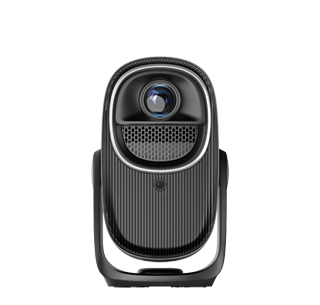
Projectors with 3D support are projection devices that can display three-dimensional content—creating an immersive viewing experience for movies, games, or educational content (e.g., 3D models of the human body). Unlike standard projectors that only show 2D content, these models use specialized 3D technologies (e.g., active shutter, passive polarized) and compatible accessories (3D glasses) to trick the human eye into perceiving depth. This feature is ideal for home theater enthusiasts (watching 3D Blu-rays), gamers (playing 3D video games), and educators (using 3D models to teach complex topics like anatomy or engineering).
The core of 3D support lies in 3D display technologies and content compatibility. The two most common technologies are active shutter 3D and passive polarized 3D. Active shutter 3D uses battery-powered glasses that sync with the projector via infrared or Bluetooth— the glasses alternate shutting each lens on and off in time with the projector displaying left-eye and right-eye images (60Hz per eye, resulting in 120Hz total). This delivers sharp, bright 3D images but requires compatible glasses (often sold separately). Passive polarized 3D uses cheaper, lightweight glasses with polarized lenses—the projector displays left-eye and right-eye images simultaneously (using a polarized filter), and the glasses separate the images so each eye sees the correct one. This is more affordable but may reduce image resolution (since each eye sees half the screen’s pixels). Most 3D projectors support both technologies, giving users flexibility based on their needs.
Content compatibility is critical for 3D functionality. These projectors support 3D Blu-ray discs (via HDMI 1.4 or 2.1), 3D streaming services (e.g., Amazon Prime Video 3D), and 3D video games (on consoles like PlayStation 5 or Xbox Series X). They can also convert 2D content to 3D (via “2D-to-3D conversion” technology), though the quality varies—movies with clear depth (e.g., nature documentaries) convert better than text-heavy content (e.g., presentations). Advanced models include “3D depth adjustment,” letting users control how “deep” the 3D effect is—ideal for viewers who find strong 3D effects uncomfortable.
Practical features enhance the 3D experience. Many projectors include “3D sync indicators” that confirm the projector is receiving a 3D signal, eliminating confusion about whether content is playing in 3D. “3D glass pairing” is simplified via one-touch Bluetooth or infrared sync, so users don’t have to manually connect glasses. For home theaters, “3D brightness boost” increases light output to compensate for the brightness loss caused by 3D glasses (active shutter glasses can reduce brightness by 30–50%). The result is an immersive 3D experience that rivals movie theaters: watching a 3D movie like Avatar on a 100-inch screen makes viewers feel like they’re part of the action, while a 3D game like Mario Kart adds a new layer of excitement as characters race “out” of the screen. For educators, 3D models of the solar system or human organs make complex topics more engaging and easier to understand.
Read recommendations:
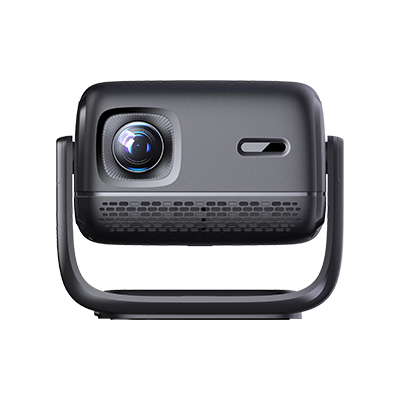
HN30B Portable - HN Series Projector
Are Eye-Care Children's Projectors Useful
Introduction to Projector HDMI Interface Specifications











 Reviewed: