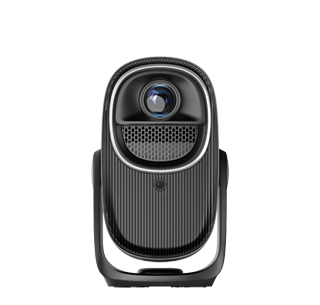
Projectors with low-blue-light eye-protection technology target the root cause of eye damage—excessive blue light emission—by filtering or reducing harmful blue light wavelengths (400-450nm), which are linked to long-term issues like macular degeneration, sleep disruption, and chronic eye fatigue. Unlike general eye-protection modes (which focus on brightness and flicker), these projectors use hardware or software-based blue-light reduction, meeting international standards like TÜV SÜD’s Low Blue Light Certification or IEEE 1789.
There are two main technical approaches to low-blue-light design: 1) Hardware Filtering: The projector’s light source (LED or laser) is equipped with a physical blue-light filter (e.g., a special glass lens or coating) that blocks 30-50% of harmful blue light while preserving useful blue light (450-500nm) that maintains color accuracy. For example, Epson’s 3LCD projectors use a blue-light-cut filter in the optical path, ensuring no color distortion (e.g., reds and greens remain vivid) while reducing blue light. 2) Software Adjustment: The projector’s firmware modifies the RGB color output to reduce the intensity of the blue channel—this is often paired with a “Natural Color” mode that compensates for the blue light reduction by fine-tuning red and green levels, avoiding a yellowish color cast.
Low-blue-light projectors are ideal for specific users: students attending 2-hour online courses (reduces eye strain during lectures); professionals giving all-day presentations (prevents fatigue-induced focus loss); and families with young children (protects developing eyes from blue light damage). A clinical test by a Chinese ophthalmology institute found that users of low-blue-light projectors had 40% less eye fatigue than those using standard projectors after 3 hours of viewing. When choosing such a projector, look for clear certification labels (e.g., TÜV Low Blue Light) rather than vague “eye-friendly” claims—certified models ensure effective blue-light reduction without compromising image quality.
Read recommendations:
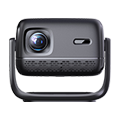
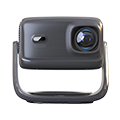
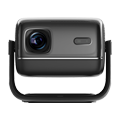
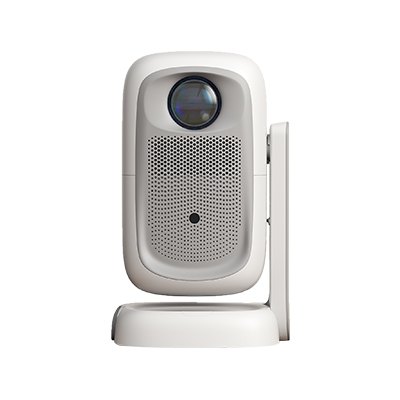
HN30A Portable - HN Series Projector
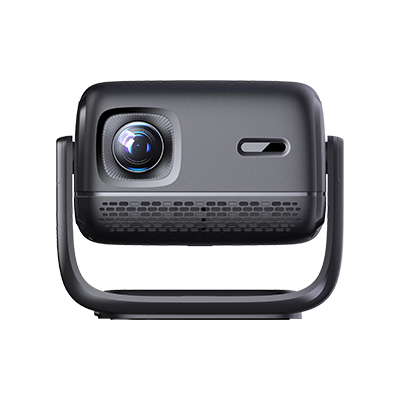
Small and Portable Projector
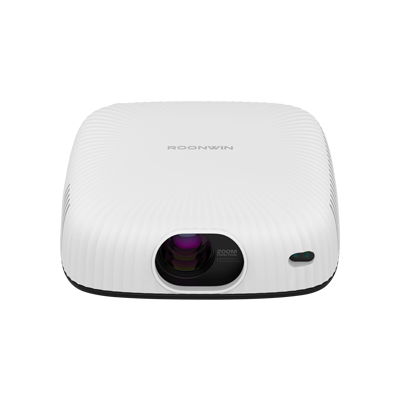
Mini Projector Supporting TF Card Direct Video Reading










 Reviewed: