Choosing
the right motorized screen for your projector is essential to achieve
the best visual experience. There are several key factors to consider
when making this selection, including screen size, material, aspect
ratio, and installation requirements.
Screen
size is one of the most important considerations. It should be
determined based on the size of the room, the viewing distance, and
personal preferences. For small rooms with a short viewing distance, a
screen size between 80 and 100 inches diagonal may be sufficient. In
larger rooms or for a more immersive experience, screens ranging from
100 to 150 inches or even larger can be chosen. When measuring for the
screen size, ensure that there is enough wall space to accommodate the
screen and that it will not be obstructed by furniture or other objects.
The
screen material also plays a crucial role in image quality. Different
materials have different properties in terms of gain, viewing angle, and
color accuracy. Matte white screens are a popular choice as they offer a
neutral color reproduction and a wide viewing angle, ensuring that the
image looks good from various positions in the room. However, they have a
relatively low gain, which means the image may not be as bright. High -
gain screens, on the other hand, reflect more light back to the viewer,
making the image appear brighter, but they usually have a narrower
viewing angle. Additionally, some screens are designed for specific
applications, such as ambient light - rejecting (ALR) screens, which are
ideal for rooms with a lot of ambient light as they can reduce glare
and improve contrast.
Aspect
ratio is another factor to consider. The most common aspect ratios are
16:9, which is suitable for watching movies, TV shows, and most video
content, and 4:3, which is often used for presentations and older video
formats. Choose an aspect ratio that matches the content you will be
projecting most frequently. Some motorized screens also offer adjustable
aspect ratios, providing more flexibility.
Installation
requirements are also important. Consider whether you need a ceiling -
mounted, wall - mounted, or recessed - ceiling screen. Ceiling - mounted
screens are popular as they can be easily retracted when not in use,
saving space. Wall - mounted screens are a good option if you don't want
to drill into the ceiling. Recessed - ceiling screens offer a more
seamless and aesthetically pleasing look but require more complex
installation. Additionally, check the power source and control options
of the motorized screen. Some screens can be controlled via remote, wall
switch, or integration with smart home systems, providing convenience
and ease of use.
Read recommendations:
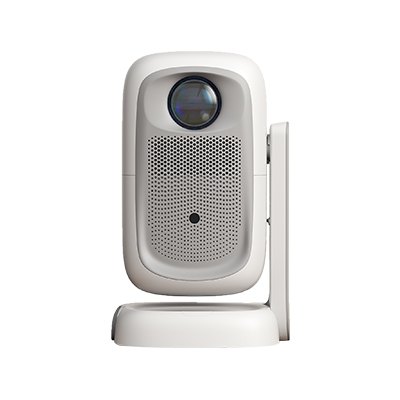
HI Gift Customization - HI Series Projector
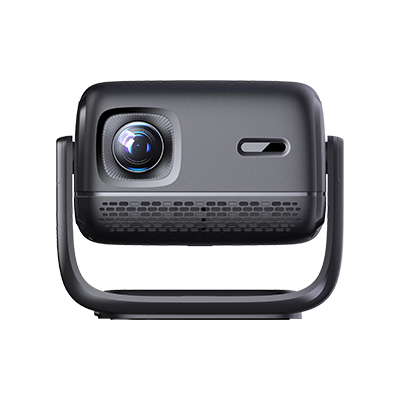
8G Home Cinema Projectora
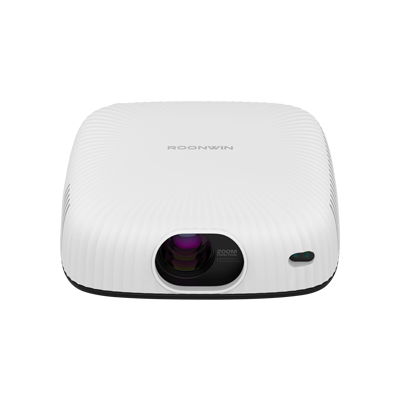
3d Projector for gaming console










 Reviewed: