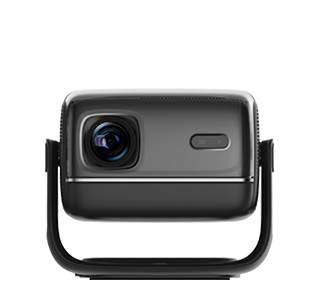
Projectors can be installed in several different ways, each with its own advantages, disadvantages, and suitability for different spaces and uses. The main installation methods include tabletop (desktop) installation, ceiling mounting, wall mounting, and floor mounting. The choice of installation method depends on factors such as the size of the space, the location of power outlets and AV connections, the desired viewing angle, and whether you want a permanent or temporary setup. Each method requires careful consideration of space, safety, and image quality to ensure the best possible viewing experience.
Tabletop installation is the simplest and most common method, especially for casual users, portable projectors, or temporary setups. It involves placing the projector on a flat surface (such as a table, desk, or shelf) facing the wall or screen. This method is easy to set up and adjust—you can simply move the projector to change the projection size or angle—and does not require any additional hardware or installation tools. However, tabletop installation takes up surface space, and the projector may be exposed to dust, accidental knocks, or glare from ambient light. It is ideal for small rooms, home use, or situations where the projector needs to be moved frequently.
Ceiling mounting is a popular choice for permanent setups, such as home theaters, conference rooms, and classrooms. It involves installing the projector on the ceiling using a mounting bracket, which keeps the projector out of the way, saves space, and provides a stable, fixed viewing angle. Ceiling mounting also helps reduce glare and ensures that the image is projected at the optimal height and position. However, this method requires professional installation (unless you have experience with DIY mounting), as it involves drilling into the ceiling and securing the bracket safely. It also requires running power and AV cables through the ceiling, which can be more complex and time-consuming. Wall mounting is similar to ceiling mounting but involves attaching the projector to a wall instead of the ceiling, which is suitable for spaces where ceiling mounting is not possible (e.g., low ceilings or rented spaces) and provides a fixed, space-saving setup. Floor mounting, which uses a floor stand, is less common but useful for large venues or outdoor events, where the projector needs to be placed at a specific height to project onto a large screen.
Read recommendations:
HN30A Portable - HN Series Projector
Advantages and Disadvantages of Bedroom Projectors
Budget Portable Projector Under $100











 Reviewed: