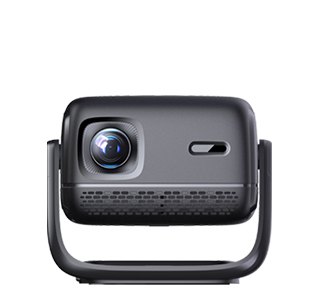
Brightness is the core parameter of projectors, and major brands will mark the nominal brightness on product details pages and packaging. However, many users find that the actual imaging brightness of the projector after purchase is significantly lower than the nominal value, and there is an obvious gap between the measured brightness and the official nominal brightness. Understanding the reasons for the brightness gap and the normal error range can help users accurately judge the real performance of projectors and avoid being misled by false parameters.
Under industry standard detection conditions, the normal error range between the actual measured brightness of regular brand projectors and the nominal brightness is within 10% to 15%. Regular manufacturers will strictly test the brightness according to CVIA or ANSI standard before leaving the factory. The nominal brightness is the stable brightness value measured in the standard dark room environment. Affected by minor differences in lamp beads, assembly process and test environment of individual machines, a small amount of brightness attenuation is normal. For example, a projector with a nominal 2000 CVIA lumens, the actual measured brightness of the machine is between 1700 and 2000 lumens, which belongs to the qualified normal range.
Many low-cost inferior projectors on the market have an extremely large gap between measured brightness and nominal brightness, with an error of more than 30% or even 50%. The core reason is false brightness marking and non-standard test standards. Some miscellaneous brands use the peak brightness of the lamp beads as the nominal brightness, while the actual stable working brightness is far lower than the peak value. Some brands even use the traditional physical lumen instead of the standard CVIA and ANSI lumen for marking, resulting in serious virtual brightness, which makes the actual use effect far lower than the propaganda effect.
In addition, the use time and environment will also widen the brightness gap. After the projector is used for a period of time, the light source will age, and the dust inside the machine will also cause brightness attenuation. The brighter the ambient light during use, the darker the visual effect of the picture, which makes users feel that the actual brightness is much lower than the nominal value. To sum up, the brightness error of regular projectors within 15% is normal, and products with excessive gaps are typical virtual standard products.
Read recommendations:
HI Gift Customization - HI Series Projector
customization 1LCD Projector
Portable Mini Projector











 Reviewed: