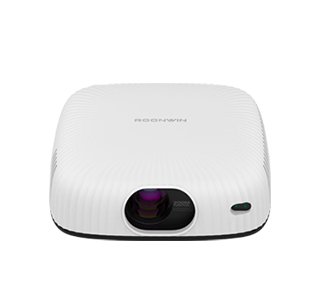
Brightness and contrast are two core parameters for exhibition and display projectors, as exhibition venues usually have complex lighting conditions—from bright natural light during the day to dim ambient light at night—and the projected content varies from static pictures, text, and charts to dynamic videos and interactive content. High brightness ensures that the projected image is clearly visible even in bright environments, while high contrast makes the image layers richer, the colors more vivid, and the details more prominent, effectively attracting the attention of visitors and conveying the exhibition information accurately.
In terms of brightness, exhibition and display projectors need to have high lumens to adapt to the bright environment of exhibition halls. Generally speaking, the brightness should be no less than 6000 lumens for indoor exhibition halls with large windows or strong ambient light; for exhibition halls with better light control (such as closed halls with dimmable lights), 4000-6000 lumens is sufficient. If the projector’s brightness is too low, the image will be washed out by ambient light, making the content unclear and reducing the attractiveness of the exhibition. In addition, the projector’s brightness uniformity is also important—it should be above 90% to ensure that the entire projected screen has consistent brightness, without dark corners or bright spots that affect the viewing experience.
Contrast is equally important for exhibition and display projectors, as it determines the clarity of image details and the sense of layering. A high contrast ratio (preferably above 20000:1) can make the dark areas of the image darker and the bright areas brighter, highlighting the details of the content—such as the text on charts, the texture of products in pictures, and the subtle changes in dynamic videos. For example, when displaying high-definition product images, a high contrast ratio can make the product’s colors more vivid and the texture more distinct, allowing visitors to better understand the product’s features; when displaying text and charts, high contrast can make the text more prominent and easy to read, even from a long distance.
In addition, exhibition and display projectors often need to project on large screens (over 120 inches) or multiple screens at the same time, so the projector’s brightness and contrast should also have good stability—ensuring that the brightness and contrast do not decrease significantly during long-term operation (such as 8-10 hours a day), which is crucial for long-term exhibitions. Some advanced projectors also support dynamic contrast adjustment, which can automatically adjust the contrast according to the ambient light and the content being projected, ensuring that the image always maintains the best effect in different lighting conditions.
Read recommendations:
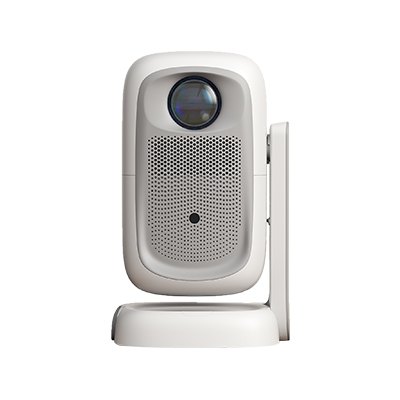
HN30B Portable - HN Series Projector
Advantages and Disadvantages of Bedroom Projectors
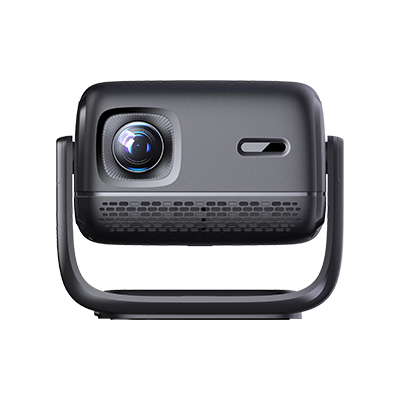
Portable Mini 4k Projector for Bedroom













 Reviewed: