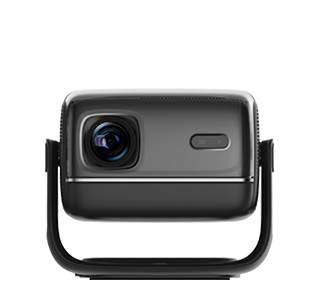
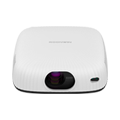
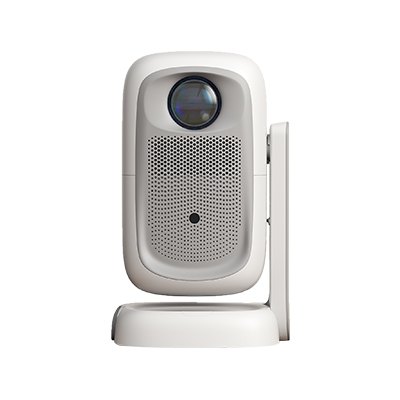
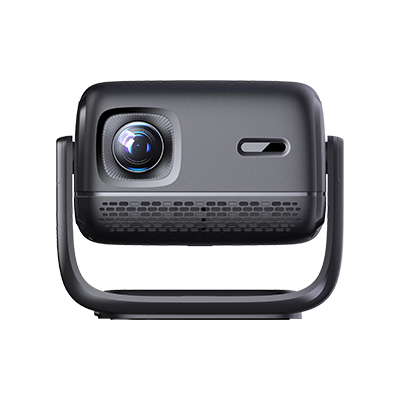
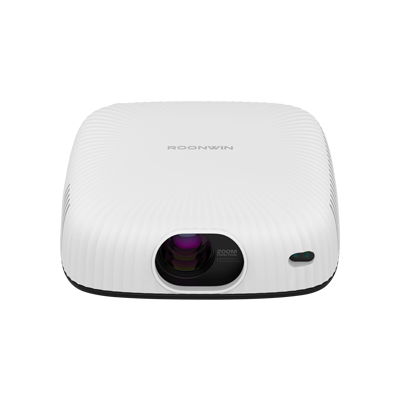
A fingerprint-resistant projector is a projection device designed with specialized surface coatings and materials to repel fingerprints, smudges, and oil stains—keeping the exterior clean and visually appealing without frequent wiping. Unlike standard projectors (which have glossy plastic casings that attract fingerprints and require constant cleaning), fingerprint-resistant models are ideal for high-traffic environments like shared offices, classrooms, or family rooms, as well as for users who value a neat, low-maintenance appearance.
The core technology behind a fingerprint-resistant projector lies in its specialized surface coatings and material selection. Most models use one of two types of coatings: first, anti-fingerprint (AF) coatings—a thin, transparent layer applied to the projector’s exterior that creates a hydrophobic and oleophobic (oil-repellent) surface. This coating prevents the oils from fingers (which cause fingerprints) from adhering to the surface; instead, oil beads up and can be wiped away with a dry cloth, leaving no residue. AF coatings are often used on high-touch areas like the top of the projector, buttons, or the lens cap. Second, matte finish coatings—while not a dedicated anti-fingerprint coating, matte surfaces (made of textured plastic or coated metal) hide existing fingerprints and smudges far better than glossy surfaces. The texture scatters light, making minor marks less visible, and the rough surface reduces the amount of oil that transfers from fingers to the projector. Many fingerprint-resistant projectors combine both AF coatings and matte finishes for maximum protection.
In addition to coatings, the projector’s design plays a role in reducing fingerprints. Minimal high-touch areas—buttons are recessed or replaced with touch-sensitive controls (which have larger surfaces and are easier to clean), and the projector’s body has smooth, curved edges that reduce the need for users to grip it tightly (which transfers more oil). Some models also have a rubberized grip on the bottom or sides—for users who need to move the projector frequently—this grip is made of oil-resistant rubber that doesn’t attract fingerprints.
Key advantages of fingerprint-resistant projectors include reduced cleaning frequency and a consistently neat appearance. Users only need to wipe the projector once every 2–4 weeks (compared to 2–3 times a week for standard glossy projectors), saving time. The projector looks clean and professional even in shared spaces—important for offices or classrooms where appearance matters. Additionally, the coatings are durable: most AF coatings last for 3–5 years with normal use, resisting wear from wiping or minor scratches.
Practical applications of fingerprint-resistant projectors focus on shared or high-touch environments. In shared offices, where multiple employees use the same projector, it remains free of unsightly fingerprints, maintaining a professional look for client meetings. In classrooms, where students may accidentally touch the projector during setup, it avoids the need for teachers to clean it before every class. For families with kids, it prevents sticky fingerprints from ruining the projector’s appearance, even after frequent use. While fingerprint-resistant projectors may have a slightly higher cost due to the specialized coatings, their low-maintenance appearance makes them a worthwhile investment. For anyone tired of constantly cleaning fingerprints off their projector, a fingerprint-resistant model is the optimal choice.
Read recommendations:
HW45 Home Cinema - HW Series Projector
ABS Projector customization
Improvement of Projector Energy-Saving Technology














 Reviewed: