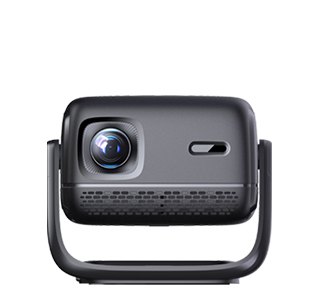
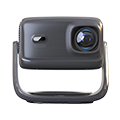
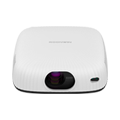
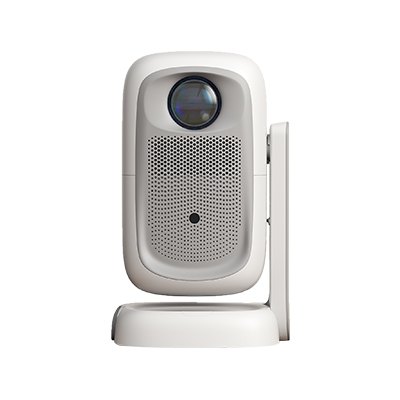
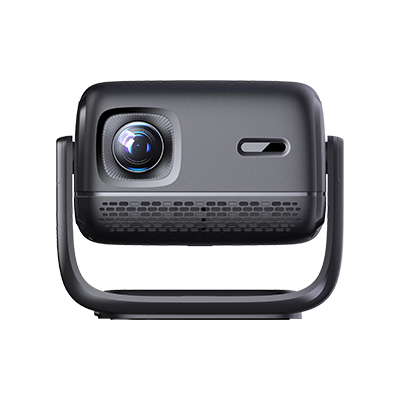
A shock-resistant designed projector is a rugged projection device engineered with reinforced structures, cushioning materials, and protective components to withstand physical impacts, vibrations, or drops—preventing damage to internal parts like the lens, light source, or circuit boards. Unlike standard projectors (which are fragile and can break from a small drop or bump), shock-resistant models are ideal for portable use, outdoor activities, or high-traffic environments like schools, construction sites, or military training facilities, where the risk of accidental impact is high.
The core technology behind a shock-resistant designed projector includes three key protective layers. First, reinforced outer casing—the exterior is made of durable materials like high-impact polycarbonate plastic (used in bulletproof glass) or aluminum alloy, which can absorb and distribute the force of a drop or bump. The casing has thickened edges (especially around the lens and corners, which are most vulnerable to impact) and may include rubberized bumpers on the bottom and sides—these bumpers act as shock absorbers, reducing the force transferred to internal components when the projector is dropped from a height of 1–2 meters (a common height for desks or tables). Second, internal cushioning—critical components like the lens, light source, and hard drive (in projectors with built-in storage) are surrounded by foam or rubber padding. This padding isolates the components from vibrations and impacts, preventing them from shifting or breaking during movement. For example, the lens may be mounted on a flexible bracket with rubber gaskets, allowing it to move slightly during a bump without cracking. Third, shock-resistant internal connections—cables and connectors inside the projector are secured with strain reliefs (rubber or plastic clips that prevent cables from pulling loose) and use reinforced connectors that can withstand vibrations. This prevents loose connections (which cause intermittent performance issues) after an impact.
Key performance advantages of shock-resistant designed projectors include durability and portability. They can withstand drops from heights of up to 2 meters (depending on the model) and vibrations from being transported in a backpack or car—making them ideal for portable use like outdoor movie nights, field training sessions, or presentations at multiple locations. Additionally, the rugged design often includes other protective features like water resistance (IPX2 or higher) or dust resistance, making them suitable for harsh environments.
Practical applications of shock-resistant designed projectors focus on high-impact or portable scenarios. For outdoor enthusiasts, a shock-resistant projector can be carried in a backpack during camping trips or hiking, withstanding bumps from rocks or trees. In construction sites, it can be moved between job trailers or used near heavy machinery, resisting vibrations and accidental knocks from tools. In schools, it can handle rough handling by students or being moved between classrooms daily, reducing the need for repairs. While shock-resistant projectors may be slightly heavier than standard portable models (due to the reinforced materials), their durability makes them a cost-effective investment for users who need a projector that can withstand rough use. For anyone seeking a projector that combines portability with ruggedness, a shock-resistant designed projector is the perfect choice.
Read recommendations:
HW45 Home Cinema - HW Series Projector
Projectors Delivering Detail-Rich HDR Visuals
Wall - Mounted Projector Brackets












 Reviewed: