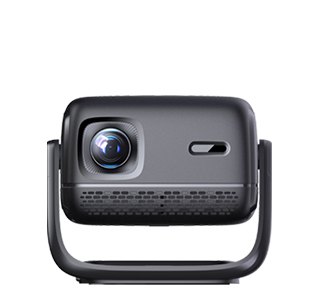
The lifespan of a projector bulb, usually measured in hours (hrs), varies significantly depending on the type of bulb, usage patterns, and environmental conditions. The bulb is one of the most critical and consumable components of a projector, and its lifespan directly affects the long-term use cost and user experience. There are three main types of projector bulbs on the market: traditional high-pressure mercury lamps (such as UHP and UHE lamps), LED bulbs, and laser light sources, each with distinct lifespan characteristics. Traditional high-pressure mercury lamps are the most common type in entry-level and mid-range projectors, and their lifespan typically ranges from 2,000 to 5,000 hours under standard brightness mode. However, if the projector is used in eco mode (low brightness), which reduces power consumption and heat generation, the lifespan of the mercury lamp can be extended to 6,000 hours or more. These lamps are relatively affordable but have a shorter lifespan and need to be replaced periodically.
LED and laser light sources, which are widely used in modern mid-to-high-end projectors, offer significantly longer lifespans compared to traditional mercury lamps. LED bulbs have a lifespan ranging from 20,000 to 60,000 hours, and some high-quality LED projectors can even reach 100,000 hours of service life. Laser light sources, on the other hand, have a lifespan of 20,000 hours or more, with high-end laser projectors often boasting lifespans of 50,000 hours or more. The long lifespan of LED and laser light sources is due to their lower power consumption, less heat generation, and more stable performance, which reduces wear and tear during operation. This means that users of LED or laser projectors may not need to replace the light source for many years, even with regular use, significantly reducing long-term maintenance costs.
In addition to the type of bulb, several factors can affect the lifespan of a projector bulb. First, usage patterns play a key role: frequent switching on and off (especially when the bulb is not fully cooled) can cause significant damage to the bulb, as the sudden temperature changes can break the filament or damage the bulb’s internal structure. It is recommended to avoid turning off the projector immediately after use and to wait for the fan to cool the bulb completely before disconnecting the power. Second, environmental conditions: using the projector in a dusty, high-temperature, or humid environment can accelerate bulb aging. Dust accumulation can block the heat dissipation system, leading to overheating, while high humidity can cause corrosion of the bulb’s components. Regular cleaning of the projector’s air filter and vents can help prevent these issues. Finally, the quality of the bulb itself matters: using original or high-quality compatible bulbs can ensure a longer lifespan, while low-quality counterfeit bulbs may have shorter lifespans and even pose safety risks. Users can also judge whether the bulb needs to be replaced by observing signs such as significant brightness reduction, difficulty in turning on the projector, or warning messages from the projector’s built-in timer.
Read recommendations:
HW40 Home Cinema - HW Series Projector
Images of Giant - Screen Projectors
3d Projector low noise fan













 Reviewed: