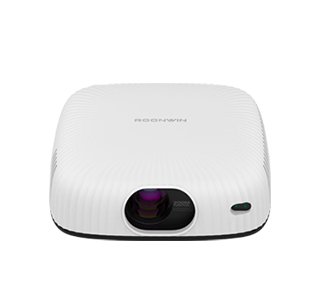
Selecting between a television and a home projector hinges on personal viewing habits, indoor space layout, usage scenarios and budget planning, as the two display devices feature distinct advantages in screen size, image performance, space occupation and functional applicability, fitting differentiated household demands ranging from daily casual watching to immersive home theater building. Traditional televisions evolve toward ultra-thin panel design, with mainstream sizes ranging from 55 inches to 85 inches for mainstream household options, and fixed wall-mounted or tabletop installation occupies permanent indoor space that cannot be temporarily stored away, making large-size high-end TVs costly when pursuing screen beyond 100 inches. In contrast, projectors deliver adjustable screen sizes spanning 60 inches up to over 200 inches flexibly, and compact portable models can be folded and stored inside cabinets when unused, releasing living room space for daily family activities.
Image quality and environmental adaptability form a core comparison dimension influencing purchase decisions. Televisions adopt self-luminous LCD or OLED panels delivering stable high contrast and color accuracy, unaffected by indoor ambient light; users can watch vivid, saturated programs under bright daytime sunlight without dimming room lights, perfectly matching daily short-time viewing of news, variety shows and regular TV dramas. Projectors rely on reflected light for imaging, so strong indoor natural light from windows inevitably dilutes picture brightness and color saturation, forcing users to draw curtains and darken the room for ideal viewing experience, which makes projectors more suitable for nighttime concentrated movie watching and leisure entertainment rather than all-day casual use. High-brightness late-model projectors narrow the light interference gap yet still cannot match anti-light performance of mainstream smart TVs.
Service life, post-maintenance cost and multifunctional expansion further differentiate their applicable crowds. Modern smart televisions boast long service life exceeding 60,000 working hours with almost zero daily maintenance besides regular screen wiping, built-in complete smart system supporting live TV reception, game operation and online streaming out of the box, ideal for families taking TV as primary daily entertainment carrier. Projectors have limited light source lifespan: lamp-type projectors need periodic bulb replacement with extra spare part expense, while LED and laser projectors extend endurance but carry higher initial purchase pricing. Users favoring immersive large-screen film viewing, occasional outdoor moving projection and flexible space utilization prefer projectors, whereas families prioritizing convenient all-weather daily viewing and stable picture effects tend to choose high-definition smart televisions as fixed home display equipment.
Read recommendations:
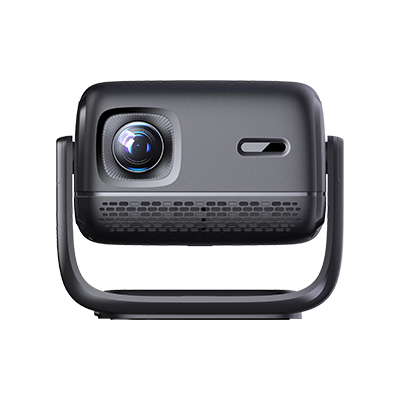
HW45 Home Cinema - HW Series Projector
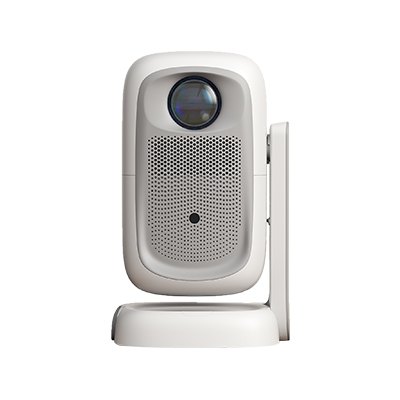
8G Bluetooth Audio Projector
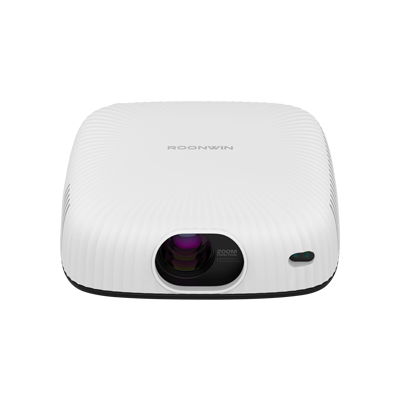
Office-Use Projector














 Reviewed: