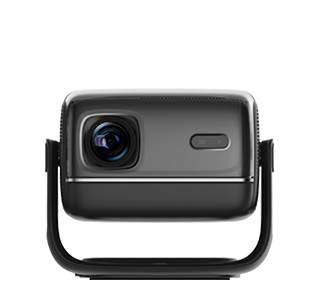
Interactivity is a key factor distinguishing modern display devices, and there are obvious differences in interactive methods, interactive experience, and application scenarios between projectors and AR (Augmented Reality) devices. Projectors, as traditional display devices, have relatively simple interactivity, which is mainly based on indirect interaction through external devices. Most projectors themselves do not have touch or gesture recognition functions; users need to control them through remote controls, mobile phones, or computers connected to them. For example, when using a projector for presentations or home viewing, users can only adjust parameters such as brightness, contrast, and projection size through the remote control, or switch content through the connected computer or set-top box. Although some intelligent projectors support voice control, the interaction is still limited to simple command operations, and there is no direct interaction between the user and the projected content.
AR devices, on the other hand, are based on the integration of real-world and virtual information, with strong interactive capabilities and a more immersive interactive experience. AR devices (such as AR glasses, AR headsets) use cameras, sensors, and gesture recognition technology to capture the user's movements and the real environment, enabling users to interact directly with virtual objects superimposed on the real world. For example, when wearing AR glasses, users can control virtual icons, adjust virtual models, or even interact with virtual characters through gestures, voice, or eye movements, without the need for external control devices. This direct interaction method makes AR devices more intuitive and flexible, and can realize more complex interactive scenarios, such as virtual design, interactive teaching, and AR games.
In terms of interactive application scenarios, projectors are more suitable for scenarios that require large-screen display and group viewing, such as conferences, lectures, and home theaters, and their interactivity is mainly to meet the basic needs of content switching and parameter adjustment. AR devices, on the other hand, are more suitable for individual or small-group interactive scenarios, such as personal learning, professional design, and outdoor exploration. For example, in the field of education, AR devices can superimpose virtual teaching resources on real textbooks, allowing students to interact with virtual models to deepen their understanding; in the field of design, designers can use AR devices to view virtual models in the real environment and adjust them in real time. Although the interactivity of projectors is relatively simple, it has the advantage of large-screen sharing, which is irreplaceable by AR devices in group interaction scenarios.
Read recommendations:
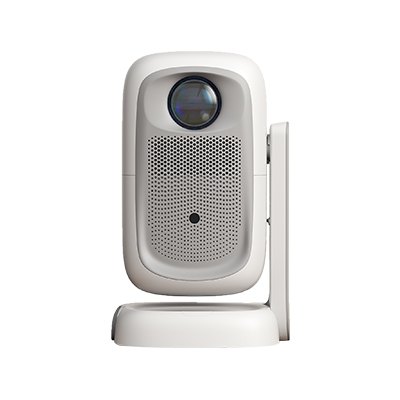
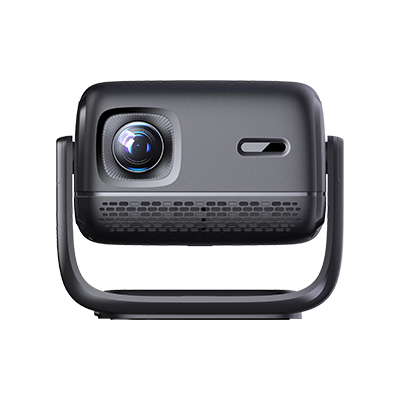
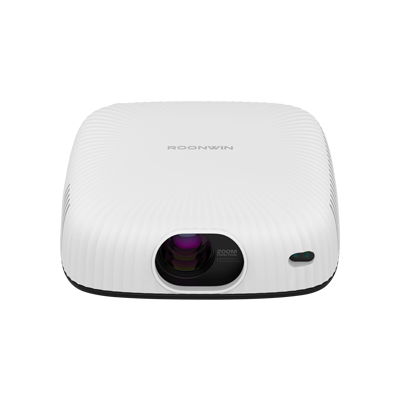
HW40 Home Cinema - HW Series Projector
auto-focus Projector custom
5G Wi-Fi Bluetooth 5.0 1080P Projector with Auto Keystone Correction















 Reviewed: