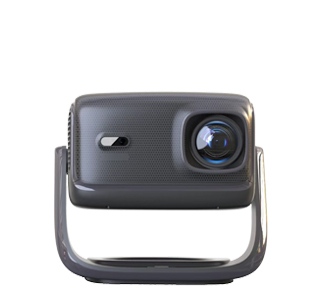
Bulb life is one of the most common concerns among projector users, especially those who use their devices frequently or rely on them for critical tasks. The bulb (or light source) is a core component of projectors, responsible for producing the light needed to display images, and it has a limited lifespan before it needs to be replaced. Users’ concerns about bulb life stem from a combination of factors, including replacement costs, inconvenience, and the impact on long-term usage. These concerns vary slightly across user groups but are universal in their focus on durability, cost-effectiveness, and reliability.
Home users are particularly concerned about bulb life because of the long-term cost implications. Traditional projector bulbs, such as UHP or UHE bulbs, typically have a lifespan of 2,000 to 6,000 hours in normal mode, while LED and laser light sources can last 20,000 hours or more. For home users who use their projectors for 2-3 hours per day, a traditional bulb may need to be replaced every 2-3 years, with replacement costs ranging from $79 to $500 or more depending on the projector model. This ongoing expense is a significant concern for many home users, who prefer projectors with longer-lasting light sources to avoid frequent replacements. Additionally, home users often find the process of replacing bulbs cumbersome, as it requires disassembling the projector and ensuring the new bulb is compatible—adding to their frustration and concern about bulb life.
Business and educational users have even greater concerns about bulb life, as they use projectors much more frequently than home users. A classroom projector, for example, may be used for 6-8 hours per day, 5 days a week, leading to rapid bulb wear. For these users, a bulb that needs frequent replacement can disrupt operations—canceling classes or meetings while waiting for a new bulb to arrive. The cost of replacing bulbs also adds up quickly for schools or businesses that use multiple projectors, making long bulb life a top priority. Many business and educational users also worry about the reliability of bulbs, as a sudden bulb failure during an important presentation or lecture can be costly and embarrassing. As a result, these users often prioritize projectors with LED or laser light sources, which offer significantly longer lifespans and require less maintenance.
Gaming users, while focused on performance, also have concerns about bulb life, especially those who use projectors for extended gaming sessions. High-brightness projectors used for gaming can put additional strain on the bulb, reducing its lifespan if not used properly. Gaming users often use their projectors at maximum brightness and refresh rate, which can accelerate bulb wear—leading to concerns about how long the bulb will last before needing replacement. Additionally, many gaming users invest in high-end projectors, so replacing a bulb can be a significant expense, adding to their concerns. However, gaming users are also more likely to be aware of ways to extend bulb life, such as using eco mode, avoiding frequent on/off cycles, and keeping the projector clean—mitigating some of their concerns. Overall, regardless of the user group, concerns about bulb life revolve around cost, convenience, and reliability, with users increasingly seeking projectors with longer-lasting, more durable light sources.
Read recommendations:
HN30B Portable - HN Series Projector
PCBA 3D Printing Technology Application
Home theater Projector Factory













 Reviewed: