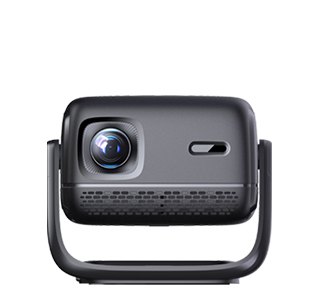
Full HD 1080P native 3D projector is a professional projection device
equipped with native 1080P physical resolution. Different from ordinary
interpolated 4K and pseudo-high-definition projectors, it has a genuine full
high-definition imaging base. Combined with native 3D stereo decoding
technology, it features dense screen pixels, authentic color restoration and
natural 3D depth layering, which can easily create a cinema-level immersive
movie-watching effect. Widely adapted to scenarios such as home theaters, living
room movie watching, small private cinemas and high-definition business
demonstrations, it has become a preferred choice for audio-visual upgrades
thanks to its lossless high-definition picture quality and stable stereo imaging
capability. Due to the high pixel density of native 1080P high-definition
pictures and the strict precision of 3D optical path imaging, the device is
extremely sensitive to operation details and projection angles. Extensive and
rough adjustment methods are likely to cause picture quality loss and unbalanced
stereo effects. Therefore, mastering scientific fine-tuning principles and
standard angle adjustment methods is the key to fully releasing the core
performance of Full HD 1080P native 3D projector and maintaining long-term
high-definition stereo picture quality.
The fine-tuning principle is the core operation standard for Full HD 1080P
native 3D projector to deliver extreme picture quality, covering the whole
process of equipment debugging, use and adaptation. Different from the
large-scale adjustment mode of ordinary projectors, it is specially adapted to
the high-precision imaging characteristics of high-definition native 3D
projection. The fine-tuning principle adheres to the core logic of gentle, slow
and gradual adjustment, avoiding one-time large changes to equipment parameters
and projection postures to adapt to the high-precision operation of
high-definition optical paths. First of all, in terms of body posture
fine-tuning, the device is built with high-precision imaging chips and 3D
optical components with an extremely delicate internal structure. Large-scale
movement and twisting will cause instantaneous offset of the internal optical
path, directly damage the native 3D imaging balance, and lead to problems such
as picture ghosting, focusing deviation and color layering. During daily
placement and debugging, move the body slightly with a millimeter-level
fine-tuning range each time, and proceed with the next adjustment after the
picture imaging stabilizes to ensure stable adaptation of the optical path
system.
Secondly, the parameter fine-tuning principle covers the precise adjustment
of definition, trapezoidal correction, 3D depth of field and color parameters.
Many users tend to adjust parameters greatly at one time in pursuit of extreme
picture quality, which instead results in picture distortion and collapsed
stereo effects. The correct method is gradual fine-tuning: slightly adjust the
parameters each time and pause for two to three seconds to observe the
full-screen definition, color uniformity and 3D stereo layering, and optimize
the parameters step by step until the picture is transparent with sharp edges
and natural 3D depth without ghosting. Meanwhile, follow the principle of
minimal and precise adjustment. The device has completed professional factory
calibration with optimal basic picture quality and 3D parameters. Only slight
modifications according to ambient light and placement position are required in
daily use, and large parameter changes are forbidden to avoid distorted imaging.
In addition, dynamic large-scale fine-tuning during device operation is
prohibited, as high-speed operating optical components will be stressed and
offset by real-time drastic adjustments, causing permanent imaging
deviation.
Accurate angle adjustment is a key step to implement fine-tuning principles
and activate the device’s high-definition 3D performance. The native 3D imaging
of Full HD 1080P native 3D projector has extremely high requirements for
projection angles. Slight angle tilt and offset will cause trapezoidal
distortion, blurred edges and pixel stretching on 1080P high-definition
pictures, disrupt the symmetrical structure of the 3D optical path, and further
lead to weak stereo effects, viewing dizziness and picture layering. Basic
horizontal angle calibration is the premise of all usage. Place the device on a
flat and stable tabletop to ensure the body is completely horizontal and
centered, facing the projection screen or wall. Slightly fine-tune the left and
right angles through the built-in intelligent horizontal calibration function to
make the four sides and four corners of the picture regular with uniform pixel
distribution, fundamentally ensuring symmetrical 1080P high-definition picture
quality and standard 3D stereo effects.
The fine adjustment of pitch angle and side projection angle must strictly
follow fine-tuning principles to adapt to diverse scenarios. In conventional
front projection movie watching scenarios, slowly fine-tune the pitch angle
according to viewing distance and sitting height, and slightly correct the
picture height with the intelligent trapezoidal correction function to adjust
the picture to a comfortable horizontal viewing range. This not only avoids
visual fatigue and cervical discomfort caused by long-term upward and downward
viewing, but also ensures consistent full-screen focusing, complete retention of
high-definition details and unified 3D depth of field. For small apartment
scenarios where front projection is unavailable, drastic body tilting is
prohibited. Adjust the tilt angle gradually with tiny ranges, and cooperate with
the intelligent correction system to correct picture deformation, so as to
maximally retain native 1080P high-definition picture quality and pure 3D stereo
effects. It is worth noting that a larger side projection angle leads to more
severe 3D optical path loss, so the side projection fine-tuning range should be
controlled to avoid significant attenuation of stereo effects.
In multi-person viewing scenarios, slightly adjust the projection angle
from multiple perspectives to widen the effective viewing angle, ensuring clear,
uniform and stereo viewing effects for every position in the viewing area while
avoiding local picture distortion and uneven stereo performance. In daily
maintenance, angle adjustment must always follow the principle of gentle and
gradual fine-tuning. Violent twisting and frequent large-scale displacement are
forbidden to protect the precise optical structure and extend the service life
of the device. In conclusion, fine-tuning principles and angle adjustment
complement each other and are indispensable. Scientific fine-tuning standards
provide normative basis for angle debugging, and accurate angle adjustment
implements the core logic of fine-tuning, fully protecting the high-definition
imaging and stereo performance of Full HD 1080P native 3D projector, allowing
users to enjoy lossless 1080P ultra-high-definition picture quality and
immersive native 3D viewing experience for a long time.
Read recommendations:
HW45 Home Cinema - HW Series Projector
Projectors with Delicate and Precise Brightness Adjustment
Business Projectors Supporting Automatic PPT Screen Adaptation










 Reviewed: