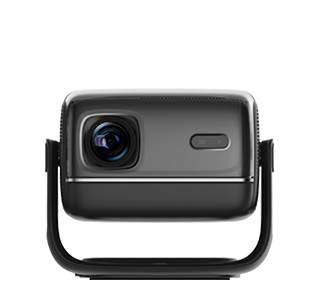
Projector video playback refers to the projector’s ability to display video content from various sources—including local storage (USB drives, internal memory), streaming services (Netflix, YouTube), and external devices (laptops, Blu-ray players)—with clear, smooth, and synchronized audio and video. Unlike basic projectors that only support static images or low-resolution videos, modern projectors prioritize high-resolution video support, smooth frame rates, and wide format compatibility, making them ideal for home entertainment, movie nights, presentations, and gaming.
The core capabilities of projector video playback include high-resolution support, frame rate optimization, video format compatibility, and HDR (High Dynamic Range) playback. High-resolution support is a key feature: most modern projectors can play 1080p (Full HD) video, and many mid-to-high-end models support 4K UHD (3840×2160) video. 4K projectors use technologies like pixel shifting (e.g., Epson’s 4K PRO-UHD) or native 4K panels (e.g., Sony’s SXRD) to deliver sharp, detailed images—ideal for watching 4K movies or playing 4K games. For example, a 4K projector can display the fine details in a nature documentary (like the texture of a bird’s feathers) or the subtle shadows in a thriller movie, creating a more immersive experience than 1080p.
Frame rate optimization ensures smooth video playback: most videos are filmed at 24fps (cinema), 30fps (TV shows), or 60fps (sports, gaming). Projectors with high refresh rates (120Hz or 240Hz) can display these frame rates without judder (a choppy effect caused by mismatched frame rates). For example, a projector with 24fps playback support will display a Hollywood movie at the same frame rate as it was filmed, replicating the cinema experience. Gaming projectors often have a refresh rate of 120Hz and low input lag (less than 20ms), ensuring smooth gameplay for fast-paced games like first-person shooters.
Video format compatibility is essential for playing content from different sources: most projectors support common video formats like MP4, MKV, AVI, MOV, and WMV, as well as high-quality formats like H.265 (HEVC) and H.264. H.265 is particularly important for 4K video, as it compresses files to half the size of H.264 without losing quality—allowing users to store more 4K movies on a USB drive. For example, a user can plug a USB drive with a 4K MKV movie (encoded with H.265) into the projector, and the projector will play it without needing to convert the file.
HDR playback enhances the visual quality of video by expanding the dynamic range between the darkest and brightest parts of the image. Projectors with HDR support (HDR10, Dolby Vision) can display deeper blacks, brighter highlights, and more vibrant colors than non-HDR projectors. For example, in a scene with a sunset over the ocean, an HDR projector will render the bright sun without washing out the details, while the dark ocean below remains rich and detailed. Dolby Vision is a more advanced HDR format than HDR10, as it uses scene-by-scene metadata to optimize the image for each frame—delivering more accurate colors and contrast.
Other features that enhance projector video playback include built-in media players (for playing content from USB drives or internal memory), streaming app integration (for accessing Netflix, YouTube, or Disney+ directly on the projector), and audio-video synchronization (to fix audio lag). Some projectors also support 3D video playback, allowing users to watch 3D movies with compatible 3D glasses—though 3D content is less common today than it was a few years ago.
In practical use, projector video playback caters to diverse needs. A movie enthusiast uses a 4K HDR projector to play a 4K Blu-ray movie—paired with a surround sound system, it creates a cinema-like experience at home. A gamer uses a high-refresh-rate projector to play a 4K game on a large screen—low input lag and smooth frame rates make the gameplay responsive and immersive. A business professional uses a projector to play a promotional video from a USB drive during a client presentation—wide format compatibility ensures the video plays without issues, and clear audio (from external speakers) keeps the audience engaged. For anyone who wants to watch videos on a large screen, projector video playback is a core feature that delivers entertainment and productivity value.
Read recommendations:
HW40 Home Cinema - HW Series Projector
8G Low Noise Projector
Projector Price and Projection Size
















 Reviewed: