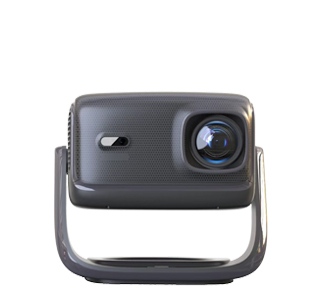
Projectors and laser TVs are both popular large-screen viewing devices, yet they differ greatly in working principles, installation, image performance and usage scenarios. Traditional projectors mainly adopt lamp light sources or LED light sources, while laser TVs belong to a branch of ultra-short-throw laser projectors, which is the core distinction between the two products. Their light sources determine different service lives and operating costs. Ordinary lamp projectors have a shorter lifespan, usually around 5,000 hours, and the bulb needs regular replacement, bringing extra maintenance expenses. Laser TVs use laser light sources, with a service life exceeding 20,000 hours, requiring almost no replacement parts in daily use.
In terms of installation and space requirements, the gap is obvious. Standard projectors are mostly long-throw models, which need to be placed far from the projection screen or wall. They require sufficient depth space in the room and are usually installed on the ceiling, shelf or desktop. Laser TVs are ultra-short-throw products. They can cast a 100-inch large screen when placed tens of centimeters away from the anti-light screen, just like traditional TVs. They do not occupy longitudinal space and are very friendly to small rooms and families with limited layout.
Image quality and anti-interference ability are also different. General projectors are greatly affected by ambient light. The picture will become dim and blurry under strong daylight, so they are more suitable for use in dark environments. Laser TVs are matched with professional anti-light screens. Even in bright rooms, the color and clarity can remain stable, realizing viewing at any time of the day. Besides, laser TVs have higher color gamut and contrast, presenting more layered and vivid images, which is closer to the display effect of high-end televisions.
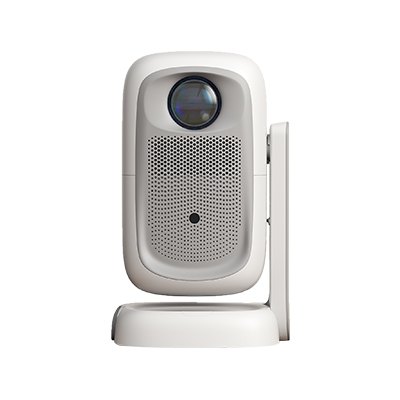
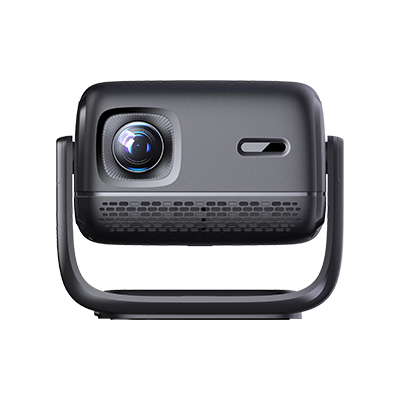
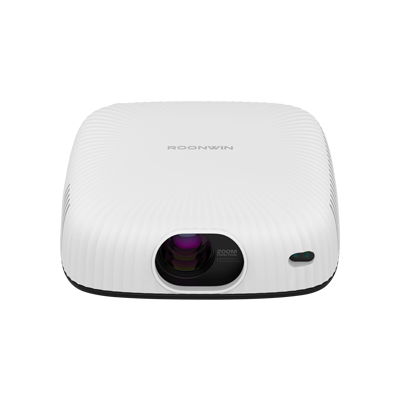
In terms of price and portability, ordinary projectors cover a wide price range, from affordable portable models to high-end home theater equipment, and many lightweight projectors can be moved at will. Laser TVs are positioned as high-end home audio-visual products with higher overall costs, and they are mostly fixed placement, lacking portability. Users can make choices according to room space, budget and daily using habits.
Read recommendations:
HI Gift Customization - HI Series Projector
650ANSI Projector solution
Portable Projectors with Stable Bluetooth Adaptation














 Reviewed: