Return to News Center
Projectors with Uniform Brightness
 Reviewed:0
Release time:2025-11-12
source:About Us
Reviewed:0
Release time:2025-11-12
source:About Us
Guide:
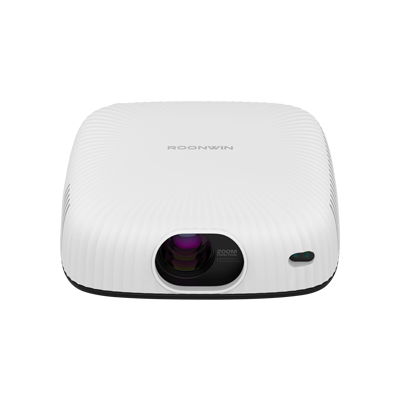
Projectors with uniform brightness are projection devices engineered to deliver consistent light intensity across the entire projection surface—eliminating the common issue of “hot spots” (brighter areas, typically in the center) or dark edges that plague many standard projectors. This uniform illumination is critical for applications where image consistency matters, such as business presentations (where text readability across the screen is essential), classroom lessons (to ensure all students

Projectors with uniform brightness are projection devices engineered to deliver consistent light intensity across the entire projection surface—eliminating the common issue of “hot spots” (brighter areas, typically in the center) or dark edges that plague many standard projectors. This uniform illumination is critical for applications where image consistency matters, such as business presentations (where text readability across the screen is essential), classroom lessons (to ensure all students see clear content), and home theater (for an immersive, cinema-like experience). Unlike basic projectors that may have brightness uniformity as low as 70–80%, high-quality uniform brightness models achieve 90% or higher uniformity, ensuring every part of the image looks equally vibrant.
The technology behind uniform brightness lies in optimized optical design and light source management. At the core, these projectors use advanced light guides or integrating rods that distribute light evenly before it reaches the imaging chip (DLP, LCD, or LCoS). Integrating rods, for example, are glass or plastic tubes that reflect and mix light multiple times, breaking up uneven light patterns from the source (LED, laser, or bulb) into a consistent beam. Additionally, the projector’s lens system is designed with anti-vignetting coatings—vignetting is the natural dimming of light at the edges of a lens, and these coatings ensure light transmission remains consistent across the entire lens surface. Some models also use multiple light sources (e.g., dual LEDs) positioned symmetrically to avoid uneven light distribution, further enhancing uniformity.
Uniform brightness projectors also adapt to different environments and content types. Many include brightness adjustment presets (e.g., “Presentation,” “Movie,” “Bright Room”) that optimize uniformity for specific uses—for example, the “Presentation” preset may boost overall brightness while maintaining edge-to-center consistency to make text clear, while the “Movie” preset balances uniformity with contrast for deep blacks. Ambient light sensors in advanced models can detect room brightness and adjust the projector’s output to maintain uniform visibility—even in partially lit rooms, the screen edges won’t fade into darkness. For example, in a conference room with windows on one side, a uniform brightness projector will ensure the side of the screen near the window is just as bright as the opposite side, so all attendees can read slides without squinting.
The benefits extend beyond visual comfort to content integrity. In photo or video editing, uniform brightness ensures colors and details in the corners of an image aren’t distorted by dimming—critical for professionals who need accurate visual feedback. In classrooms, it prevents students sitting at the edges of the room from missing details in lesson content (e.g., graphs or diagrams in the corner of the screen). For home theater enthusiasts, it creates a more immersive experience by eliminating distractions from uneven lighting, making the projection feel like a seamless “window” into the content. With durable components that maintain brightness consistency over time (even as the light source ages), these projectors remain reliable for years—making them a smart choice for anyone prioritizing consistent, high-quality visuals.
Read recommendations:
HN30A Portable - HN Series Projector
Growth of the Projector Industry Market Size
Automatic Focus Video Projector