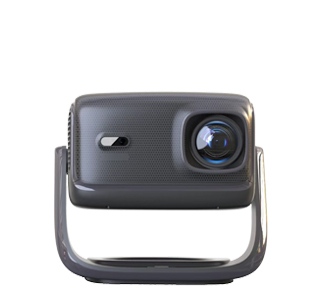
With the intelligence of projectors, the intelligent system has become an important part of the projector, undertaking functions such as content playback, device control, and scene adaptation. The update frequency of the intelligent system directly affects the user experience, functional completeness, and security of the projector, and has become an important factor for users to choose projectors. In the early stage, the intelligent system of projectors was relatively simple, with few functions and low update frequency. Most manufacturers only updated the system once or twice a year, mainly to fix major bugs, and rarely added new functions, which made the intelligent experience of projectors lag behind other intelligent devices such as mobile phones and smart TVs.
In recent years, with the increasing demand of users for intelligent experience, the update frequency of projector intelligent systems has been significantly accelerated, and a relatively mature update mechanism has been formed. At present, most mainstream projector manufacturers adopt a regular update mode, which can be divided into major version updates and minor version updates. Minor version updates are relatively frequent, usually once every 1-2 months, mainly to fix system bugs, optimize system fluency, improve compatibility with third-party applications, and adjust some functional details. For example, BenQ projectors will trigger an automatic system update after 100 hours of equivalent light hours, which takes about 3-6 minutes, mainly to optimize system performance and fix potential problems. Major version updates are usually carried out 2-3 times a year, which will add new functions, upgrade the core algorithm, and improve the overall intelligent level of the system. For example, adding new screen casting protocols, optimizing ambient light adaptive algorithms, upgrading voice control functions, and integrating new streaming platforms, etc.
The update frequency of the intelligent system is also closely related to the positioning of the projector and the needs of the application scenario. High-end projectors with strong performance and rich functions have a higher update frequency, because they need to continuously add new functions to maintain their competitiveness. For example, high-end home theater projectors will frequently update the color calibration algorithm and HDR decoding function to improve the viewing experience; commercial projectors used in offices and education scenarios will update the multi-device collaboration function and content management function to meet the needs of business and teaching. In addition, the update of the intelligent system also pays more attention to user feedback. Many manufacturers will collect user suggestions through official forums, after-sales channels, etc., and integrate the reasonable suggestions into the system update, making the system more in line with the actual needs of users. At the same time, with the development of the Internet of Things, the intelligent system of projectors is also gradually integrating with smart home systems, and the update frequency will be further accelerated to adapt to the interconnection needs of more smart devices. However, it should be noted that the update frequency is not as high as possible. Excessively frequent updates may lead to system instability. Therefore, manufacturers will conduct strict testing before updating to ensure the stability and compatibility of the system, while bringing better user experience to users through reasonable update frequency.
Read recommendations:
HW45 Home Cinema - HW Series Projector
4000 Lumens Daylight Viewable 2d Projector
MediaTek Projector Distributor













 Reviewed: